
Modern interior construction relies on precision, speed, and long-term performance. Whether creating office partitions, residential room divisions, commercial fit-outs, or large-scale refurbishment projects, the structural framework behind the wall plays a critical role in the finished result. Among the most widely used systems in contemporary construction are drywall studding and metal stud frameworks. These components provide the strength, stability, and flexibility required to support plasterboard, insulation, and finishing materials while helping contractors achieve consistent and reliable outcomes across a wide range of applications.
The Evolution of Internal Wall Construction
Interior partition walls have changed dramatically over the years. Traditional timber framing once dominated the industry, but modern construction increasingly favours steel-based framing systems due to their consistency, durability, and ease of installation.
Today’s projects demand faster build times, greater dimensional accuracy, and improved acoustic and fire performance. As a result, drywall studding systems have become the preferred solution for many contractors and developers. Their ability to create straight, stable walls while accommodating insulation and building services makes them suitable for virtually every type of internal construction project.
Understanding Drywall Studding Systems
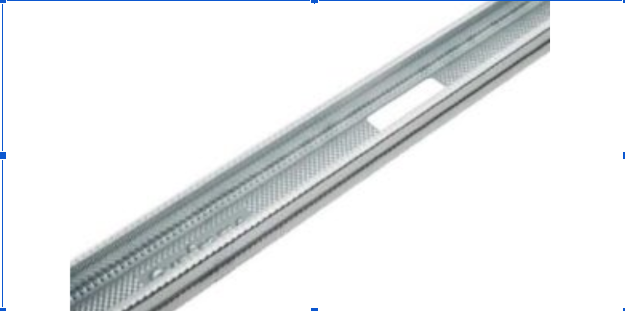
Drywall studding forms the framework that supports plasterboard partitions and wall linings. Typically manufactured from galvanised steel, these systems consist of vertical studs positioned within horizontal tracks to create a rigid wall structure.
This stability helps maintain straight wall surfaces, improves finishing quality, and minimises the likelihood of cracks developing over time. For contractors, the precision offered by drywall studding systems can significantly improve installation efficiency and project outcomes.
Why Metal Stud Systems Continue to Grow in Popularity
The demand for metal stud systems has increased steadily across residential, commercial, and public-sector construction. Their versatility allows them to be used in everything from simple room partitions to high-performance acoustic and fire-rated wall assemblies.
Metal stud systems offer several important advantages:
- Consistent dimensional accuracy
- Lightweight construction
- Fast installation
- Excellent compatibility with plasterboard systems
- Resistance to moisture-related movement
- Reduced maintenance requirements
- Long-term structural stability
Because metal stud products are manufactured to precise tolerances, they help contractors achieve more reliable results while reducing waste and installation errors.
Supporting Acoustic and Thermal Performance
Modern partition walls often need to do much more than simply divide space. Acoustic control has become increasingly important in offices, apartments, schools, healthcare facilities, and hospitality environments.
This flexibility makes drywall studding a valuable component in projects focused on both comfort and performance.
The Role of Metal Stud Profiles in Wall Construction
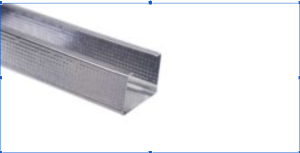
Every partition wall begins with the correct structural framework. Metal stud profiles are available in a range of widths and gauges to suit different applications and performance requirements.
Smaller profiles may be suitable for standard room divisions, while larger and heavier-duty sections can support taller walls or more demanding structural conditions. The choice of profile often depends on factors such as:
- Wall height
- Acoustic requirements
- Fire resistance requirements
- Loading conditions
- Service integration needs
- Insulation thickness
Selecting the correct metal stud profile helps ensure the wall performs as intended throughout its lifespan.
Installation Best Practices for Drywall Studding
Achieving the best results from drywall studding requires careful planning and correct installation techniques. While the systems are designed for efficiency, attention to detail remains essential.
Key installation considerations include:
- Accurate setting out of tracks
- Correct stud spacing
- Maintaining plumb alignment
- Allowing for movement where required
- Proper integration of insulation materials
- Careful coordination with building services
Following manufacturer recommendations helps ensure the partition system delivers its intended structural, acoustic, and aesthetic performance.
Fire Safety and Compliance Considerations
Building regulations place increasing emphasis on fire safety and compartmentation. Many modern partition walls are required to achieve specific fire resistance ratings to meet project requirements.
Drywall studding systems often form part of tested fire-rated wall assemblies. In these applications, the specification of studs, tracks, plasterboards, insulation materials, and fixing schedules must align with the tested system design.
Why Contractors Prefer Metal Stud Systems
Contractors increasingly choose metal stud solutions because they simplify construction while delivering consistent quality. Lightweight components are easier to transport and handle on-site, helping improve productivity and reduce labour demands.
For large commercial developments, residential projects, and refurbishment schemes, these efficiencies can result in significant cost and time savings while maintaining high construction standards.
Long-Term Durability and Future Flexibility
One of the greatest strengths of drywall studding systems is their long-term durability. Unlike organic materials, steel framing does not suffer from rot, insect attack, or moisture-induced distortion. This helps maintain structural stability and finish quality throughout the life of the building.
As construction continues to prioritise adaptability and sustainability, these qualities make steel framing systems increasingly attractive to designers, developers, and building owners.
Conclusion
Drywall studding and metal stud systems have become fundamental elements of modern interior construction because they provide the precision, strength, and flexibility needed for high-performing partition walls. From supporting plasterboard and insulation to improving acoustic performance and fire safety, these systems offer benefits across a wide range of applications. Insulation Point Limited supplies a comprehensive range of drywall studding products, metal stud components, and drylining solutions, helping contractors and developers create reliable, compliant, and durable interior wall systems for projects of every size.