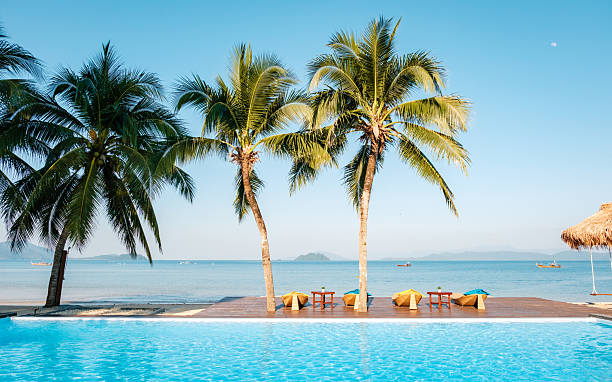

I’ve stayed in fancy resorts that cost more than my monthly rent and still felt weirdly tense. And then there was this not-so-famous beach resort I once booked last minute, slightly outdated furniture, slow Wi-Fi, but I slept like a baby and didn’t check my phone for hours. That contrast stuck with me. It made me wonder why some resorts genuinely calm your brain, while others just look relaxing on Instagram.
Because let’s be honest, relaxation isn’t about thread count or how big the infinity pool is. It’s something else. Harder to explain. Kind of like why one cup of chai hits different even though the ingredients are the same.
The brain checks in before the body does
I read somewhere (and I might mess up the exact stat) that it takes the human brain around 20–30 minutes to decide if an environment feels “safe.” That’s before you even realize you’re relaxed. Resorts that feel calming usually get this part right without trying too hard.
It’s the lighting that’s not too sharp. The staff not hovering like security guards. The music that you don’t consciously hear, but would miss if it stopped. Some resorts blast upbeat lounge music everywhere like you’re stuck in a mall. My brain hates that. It’s like trying to nap at a wedding.
I remember walking into one resort where the lobby smelled faintly like wood and citrus. No overpowering “luxury perfume.” I actually exhaled without noticing. That’s when I knew, okay, this place gets it.
Too much luxury can be stressful, weirdly
This sounds backward, but extreme luxury can be mentally tiring. Gold-plated taps, perfectly folded towels, staff correcting how you sit… it creates pressure to “behave correctly.” You stop relaxing and start performing.
On social media, people joke about being scared to touch anything in five-star resorts. That joke exists for a reason. When everything looks too perfect, you feel like the messy element in the room.
More relaxing resorts usually allow imperfection. Slightly uneven stone paths. Furniture that looks used, not staged. Places where you can walk barefoot without feeling judged. There’s comfort in that. Like visiting a friend’s house versus a showroom.
Nature sounds do half the work
There’s actual research saying natural sounds lower cortisol levels faster than silence. Waves, birds, wind through trees. Resorts that lean into natural soundscapes feel calmer almost instantly.
I stayed at one hill resort where there was no TV in the room. At first, I was annoyed. Then I realized I’d been falling asleep to cricket sounds every night. Real crickets. Not a playlist. My sleep tracker (yes, I’m that person) showed deeper sleep cycles than usual. That surprised me.
Compare that to resorts near highways or loud beach clubs. Even if the room is luxurious, your nervous system stays on alert. You might not notice it consciously, but your body does.
Layout matters more than size
Big resorts often try to impress with scale. Huge pools, long corridors, massive dining halls. But walking long distances multiple times a day is tiring, especially when you’re trying to rest.
Smaller or thoughtfully designed resorts usually win here. Everything feels close but not cramped. You’re not constantly checking maps or signboards. Less decision-making equals more mental rest.
There’s a concept called decision fatigue. The more choices you make, the more exhausted you get. Resorts that feel relaxing reduce choices. Limited menus. Simple activity options. Clear pathways. Your brain finally gets a break from constant micro-decisions like “Where do I go now?”
Staff energy sets the tone
This part doesn’t get talked about enough. Staff behavior affects relaxation massively. Not just politeness, but energy.
Some resorts train staff to be overly formal. It feels stiff. Like you’re in a corporate meeting but wearing flip-flops. Other places hire people who genuinely seem relaxed themselves. They smile naturally. They don’t rush. They don’t talk loudly.
I once had a resort staff member tell me, “Sir, take your time, no hurry,” when I apologized for being late to breakfast. That one sentence did more for my stress levels than the spa massage I booked later.
You can’t fake that vibe. Guests pick up on it instantly.
Your phone finally shuts up
Relaxing resorts somehow reduce phone usage without banning it. Wi-Fi that’s slightly slower. Fewer mirrors for selfies. Views that pull your eyes away from screens.
There’s chatter online about “dopamine detox vacations,” and while that term gets overused, there’s truth there. When there’s nothing aggressively demanding your attention, your mind resets. You stop scrolling not because you’re disciplined, but because you forget to.
I noticed this at a lake resort where network coverage was patchy. At first, I panicked. Then I stopped checking notifications every five minutes. By day two, I didn’t even care. That feeling is rare now.
Food that doesn’t try too hard
This might be controversial, but overly experimental food can ruin relaxation. When menus read like science projects, eating becomes an event instead of comfort.
Relaxing resorts often serve simple, well-made food. Local flavors. Familiar textures. Things that don’t require explanation. Your body relaxes when digestion is easy. Heavy, flashy meals keep your system working overtime.
I still remember a resort serving plain dal, rice, and homemade pickle. Nothing fancy. Best meal of the trip. My stomach agreed.