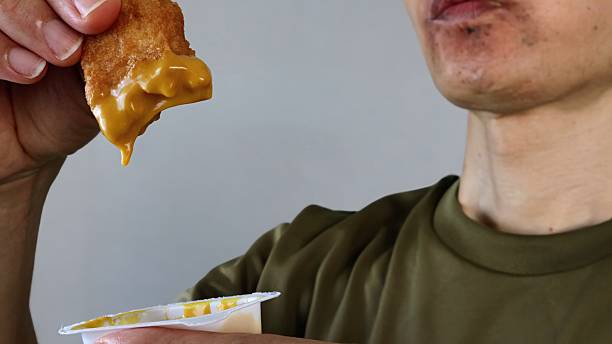

Comfort food isn’t just nostalgia or indulgence—it’s science. TBH, I never understood how mac and cheese or a warm chocolate chip cookie could feel like therapy until I started reading about cravings, hormones, and brain chemistry. In 2026, researchers are deeply studying why we crave comfort foods and how to enjoy them guilt-free.
Why We Crave Comfort Foods
Stress, fatigue, or emotional lows often trigger comfort food cravings. The brain links certain foods to happiness, safety, or nostalgia. After a rough day, I reach for mashed potatoes or ice cream—classic childhood comfort foods. Studies show that sugar, salt, and fat-rich foods release dopamine—meaning the brain is literally rewarding the chocolate cake.
The Role of Neurotransmitters
Dopamine isn’t everything. Serotonin, GABA, and endorphins regulate mood. Carbohydrate-rich comfort foods temporarily boost serotonin, improving mood. After a stressful day, I tried a cozy pasta dish and, honestly, felt calmer. This isn’t anecdotal—it’s neuroscience.
Cultural & Social Factors
Comfort foods are linked to tradition and culture. I ate lentil soup every winter as a child—it’s now the ultimate comfort food. Sharing it with family/friends enhances emotional connection. Social media trends will be seen worldwide in 2026. Childhood meals will be recreated—comfort foods will cross borders and generations.
Psychology of Texture & Flavor
Not just food, feeling also matters. Creamy, soft, warm, crispy textures trigger comfort response. Think melty cheese pizza or perfectly baked pie crust. Ek baar dessert banaya multiple textures—soft mousse, crunchy topping, chewy cookie base—insane satisfaction, better than single texture.
Emotional Eating Isn’t Always Bad
Guilt around comfort foods is common, but fine in moderation. Enjoying favorite meals can also be therapeutic and healthy for mental well-being. Main indulgence balances portion control with occasional nutrient-rich alternatives. 2026 food psychology encourages mindfulness—not restriction. Relationship with food matters as much as food.
Science-Backed Alternatives
By tweaking comfort foods, you can become healthier without losing cravings. Refined flour → whole grains, veggies in mac and cheese, dark chocolate instead of milk chocolate. Tried Cauliflower-based pizza crust—surprisingly satisfying. Small tweaks can reduce guilt and keep the cozy indulgence feel intact.
Timing & Context Matter
When you eat comfort food it affects your experience. Right time—post-workout, stressful afternoon, weekend ritual—enhances the impact. Single cookie after a tough morning is more rewarding than 3 mindlessly. 2026 research intentional eating > mindless snacking for emotional & physical health.
Mindful Indulgence
Key = mindfulness. Savor every bite, notice the flavors, appreciate the textures. I practice eating comfort foods—feel satisfied and overeat less. Mindful indulgence modern nutrition psychology aligns—brain and body benefit more conscious eating.
Final Thoughts
Comfort foods are a mix of biology, psychology, culture, and personal experience. Chemicals trigger feel-good, evoke nostalgia, help cope with stress. I enjoy it guilt-free—mindful, by appreciating healthier tweaks, textures/flavors. 2026 science also supports—comfort foods are not treats, they are tools for well-being if thoughtfully approached.