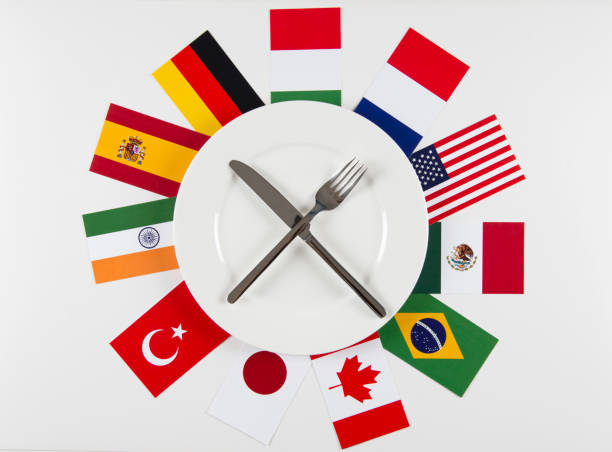

Cooking international dishes at home in 2026 is easier than ever. Honestly, I used to think authentic cuisine meant expensive ingredients or complicated recipes, but it turns out a little planning and curiosity goes a long way. I’ve experimented with dishes from Italy, Thailand, Mexico, and beyond, and it’s amazing how much flavor you can pack into a simple home kitchen.
Start Simple
Don’t jump straight into a seven-hour biryani or a homemade ramen broth. Start with simple dishes from each cuisine. I tried a basic Thai green curry with store-bought paste and coconut milk—it was incredible, took 20 minutes, and I felt like a pro chef. Choosing approachable recipes builds confidence and keeps cooking fun.
Stock Your Pantry Smartly
International cooking requires a few staples: soy sauce, olive oil, coconut milk, curry pastes, rice, pasta, beans, and spices. I keep a small “world pantry” with essentials so I can whip up dishes on the fly. 2026 trends show more global sauces and spice blends available in supermarkets, making it even easier. I once made Mexican tacos in 15 minutes thanks to a pre-made salsa.
Rice, Noodles, and Grains Are Key
Most international dishes revolve around a base. Rice, noodles, quinoa, couscous, or polenta can anchor meals. I cooked a Japanese-inspired stir-fry with soba noodles, veggies, and tofu—it felt exotic but wasn’t complicated. Grains and noodles are versatile, filling, and help recreate the authentic feel of a dish without stress.
Fresh Ingredients Elevate Flavor
Vegetables, herbs, and fresh proteins make the biggest difference. I once made an Italian pasta with fresh basil, cherry tomatoes, and mozzarella, and it tasted like a trattoria meal. Herbs like cilantro, parsley, mint, and dill are inexpensive and instantly upgrade flavors. In 2026, farmers’ markets and online grocery delivery make it easier than ever to get fresh ingredients.
Balance Flavors
International dishes often rely on balancing salty, sweet, sour, and spicy. I learned the hard way making a Thai curry that was way too salty; a squeeze of lime and a pinch of sugar balanced it perfectly. Taste as you go, adjust seasoning, and don’t be afraid to tweak recipes for your palate. Cooking is creative, not rigid.
Experiment With Substitutions
Sometimes, authentic ingredients are hard to find. Don’t stress. I replaced lemongrass with lemon zest once and the Thai curry still had that bright, citrusy flavor. Substitute local or more accessible ingredients when needed. Experimenting often leads to surprisingly good results, and it keeps home cooking fun.
Batch Cooking Works for International Meals
Making extra portions saves time during the week. I cooked a big batch of Mexican enchiladas and froze half for later. In 2026, meal prep culture blends perfectly with international dishes. You can enjoy fresh-tasting meals without repeating the same recipe constantly.
Presentation Matters
Even home-cooked dishes feel luxurious when plated well. I learned plating matters more than I thought—simple garnishes like fresh herbs, a drizzle of sauce, or a sprinkle of seeds elevate the dish. It makes the meal feel like an experience, not just sustenance.
Involve Others
Cooking international dishes is more fun with company. I once had friends over for a DIY sushi night; we laughed, experimented with rolls, and learned from mistakes. 2026 culture emphasizes shared experiences, and cooking globally-inspired meals at home is perfect for bonding and trying new flavors.
Final Thoughts
Cooking international dishes at home doesn’t need to be intimidating. Start simple, stock your pantry smartly, use grains and noodles, fresh ingredients, and balance flavors. Don’t stress substitutions, batch cook, pay attention to presentation, and involve friends or family. Personally, trying international recipes has expanded my palate, made weeknight dinners exciting, and saved me money compared to eating out constantly. With a little prep and curiosity, your kitchen can feel like a global culinary adventure.