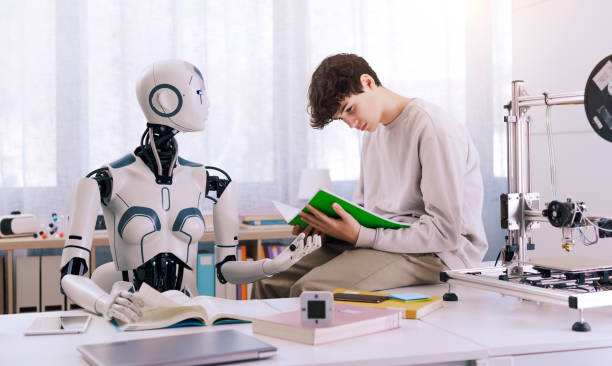

AI tutors are no longer sci-fi—they’re real and will quietly transform student learning in 2026. At first, I was a little skeptical. AI tutoring felt like a robot lecturing in a monotone while we frantically typed answers. But when I tried it myself, I found AI tutors to be surprisingly helpful, adaptive, and sometimes… even a little human.
**Personalized Learning**
The biggest advantage of AI tutors is personalization. In normal classrooms, a teacher might have to handle dozens of students; AI can adjust to each learner’s pace and style. I tried a math AI tutor—it noticed which problems I was struggling with, provided hints, and automatically adjusted the difficulty. It felt like having a personal tutor who never got tired or frustrated. Learning became stress-free and effective.
**Immediate Feedback**
AI tutors provide instant feedback. There’s no need to wait a day for graded assignments or to get doubts resolved. The AI instantly corrects mistakes, explains concepts in multiple ways, and suggests extra practice for weak areas. Immediate reinforcement ensures knowledge sticks and prevents misconceptions.
**24/7 Access and Flexibility**
The biggest game-changer is accessibility. AI tutors are available anytime, anywhere. I once had a late-night study panic before a test, and an AI tutor guided me at 2 a.m. without judgment. This is super helpful for students balancing school, work, and personal life. Learning becomes a part of life, not just a chore during class hours.
**Gamified and Engaging Learning**
Many AI platforms use gamified elements—points, streaks, challenges—to keep students engaged. I tried a language-learning AI; completing daily exercises rewarded badges and even held mini-competitions. What used to be boring memorization suddenly became a fun challenge. Motivation soared, and information was actually retained.
**Data-Driven Insights for Students & Teachers**
AI not only helps students, it also provides valuable data for teachers and parents. Progress reports, analytics, and predictive insights reveal strengths and weaknesses. I saw a student struggling with fractions improve because the AI suggested targeted practice, which the teacher could monitor. Like a co-teacher who never sleeps and notices everything.
**Bridging Gaps in Traditional Education**
AI tutors are very useful in filling learning gaps. In traditional classrooms, AI identifies weak points for students who lag behind and provides extra support. Students in remote areas are also mastering subjects using AI tutors where there are no local qualified teachers. The playing field of education is leveling.
**Challenges & Considerations**
AI isn’t perfect. Some systems rely too heavily on multiple-choice, which limits critical thinking. Over-reliance can lead to students becoming overly dependent and skipping “thinking it through.” Balance is essential: AI should be a supplement, not a replacement.
Privacy is also a concern. AI platforms collect data for personalization—security and consent checks should be performed, especially for younger learners.
**Tips for Using AI Tutors Effectively**
* Treat AI tutors as a supplement, not a replacement.
* Maintain a regular schedule for discipline.
* Combine AI feedback with real-world practice or group discussions.
* Critically review AI suggestions, don’t blindly accept them.
I personally combined AI tutoring and traditional study techniques; it was very effective. Fast retention, increased confidence in tricky subjects, and less stress. It’s not magic, but smarter learning for the digital age.
**Final Thoughts**
AI tutors are transforming education in 2026—personalized, accessible, and engaging. With 24/7 availability, instant feedback, gamification, and data insights, they complement traditional education and empower students to learn at their own pace. There are challenges, but used thoughtfully, learning outcomes can be significantly better.