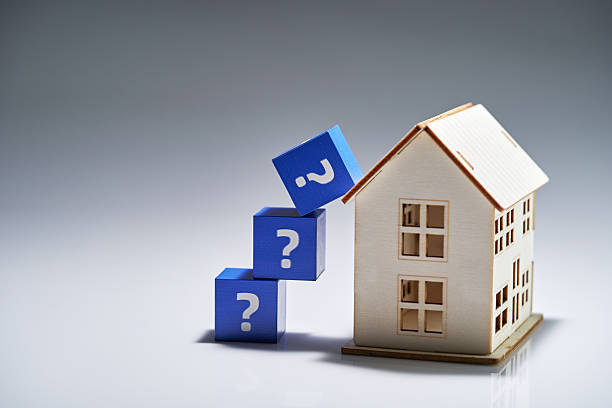

I’ve been noticing this a lot lately, and honestly it’s been bugging me in that low-key, scrolling-Reddit-at-2am kind of way. Everywhere you look, people are confused. Buyers are confused, sellers are confused, even brokers look confused half the time (though they’ll never admit it). And yet… property prices? Still going up. Like that one friend who keeps getting promotions even though they’re always late.
So yeah, let’s talk about why property prices are rising even when buyers don’t really know what they’re doing anymore.
Confusion Is the Mood, Not the Stop Button
The first thing people get wrong is assuming confusion slows markets. It doesn’t. Fear does sometimes, but confusion? Nah. Confusion just makes people hesitate, overthink, WhatsApp their cousin who bought a flat in 2016, and then still buy anyway because rent feels like burning cash.
I’ve seen this personally. A friend of mine spent six months saying “prices will correct soon.” Six months later, the same flat he liked was up by almost 9%. He bought it anyway, slightly angry, slightly embarrassed. That’s kind of the vibe of the market right now.
When buyers are confused, they don’t disappear. They just complain louder on Twitter and Instagram reels while still booking site visits on Sundays.
Money Is Sloshing Around, Whether You Like It or Not
One underrated reason prices keep climbing is simple and annoying: there’s still a lot of money floating around. Not evenly, obviously, but enough to keep demand alive. People sold startups, inherited property, cashed out crypto (some at the top, most not), or just sat on savings during lockdowns and now want “something real.”
Real estate feels solid. Bricks don’t crash like stocks, at least not overnight. That psychological safety matters more than people admit. When markets are noisy, people run toward things that look boring and stable. Property is basically the khichdi of investments. Not exciting, but comforting.
Also, lesser-known thing here: a lot of residential buying isn’t first-time buyers. It’s second or third property buyers. According to some industry chatter, repeat buyers can make up nearly 35–40% in certain urban markets. These people are less confused because they’ve already played the game once.
Interest Rates Are High, But Humans Are Weird
Logically, higher interest rates should cool property prices. And they do, sometimes. But humans don’t run purely on logic. They run on headlines and panic.
When rates started going up, I noticed something odd. Instead of waiting, some buyers rushed in thinking “this is probably the last chance before it gets worse.” It’s like buying winter clothes when you hear cotton prices might rise. You don’t fully understand the supply chain, but the fear kicks in.
There’s also the EMI normalization effect. People adjust faster than expected. What felt “too expensive” six months ago now feels “okay-ish” because salaries went up a bit, or because they’ve emotionally accepted being in debt till 2055.
Supply Isn’t As Simple As It Looks
On paper, it always looks like there’s plenty of supply. Listings everywhere, hoardings screaming “luxury living,” developers calling you every Thursday. But usable, desirable supply? That’s tighter.
Good locations, decent builders, ready or near-ready projects… those are limited. And prices there don’t fall easily. Developers would rather slow launches or tweak payment plans than slash base prices. Cutting prices publicly is like admitting defeat. No one wants that screenshot floating on LinkedIn.
Also, construction costs quietly went up. Cement, steel, labor, approvals, everything. Developers don’t tweet about this, but they definitely bake it into prices. Even a 6–8% increase in input costs pushes final pricing more than buyers realize.
Social Media Makes It Worse (or Better?)
Spend ten minutes on real estate Instagram and you’ll see two types of content. One says “property bubble about to burst.” The other says “buy now or regret forever.” Both get insane engagement.
That noise adds to confusion, but it also keeps real estate top-of-mind. Constant visibility creates urgency. Even negative content works. People see prices rising in reels, check listings “just to see,” and accidentally fall into a purchase funnel.
Reddit threads are full of people saying “don’t buy now,” followed by edits six months later saying “okay I bought.” That whiplash energy actually fuels the market.
Rent Is the Silent Villain
This one doesn’t get enough blame. Rent increases are pushing people toward buying even when they’re unsure. When rent jumps 15–20% in a year, buying starts to feel like damage control rather than investment.
I talked to someone recently who said, “I didn’t buy because I was confident. I bought because my landlord increased rent again and I got tired.” That sentence explains a lot about today’s market.
High rent keeps a floor under property prices. As long as renting feels painful, buying stays emotionally attractive, confusion or not.
Investors Haven’t Left, They’re Just Quieter
Another myth is that investors are gone. They’re not. They’re just less loud. Earlier, everyone wanted to flip. Now, many are buying for rental yield or long-term hold. Slower, quieter, still effective.
Small investors don’t care if buyers are confused. They care about location, demand, and whether someone will rent the place. And that demand still exists.
So Yeah, Confusion Isn’t a Crash Signal
If there’s one thing I’ve learned watching property markets, it’s that confusion is normal. Every cycle feels confusing while you’re inside it. Prices rise not because everyone is confident, but because enough people feel uncertain in the same direction.
People want safety, control, and something that feels tangible. Property checks those boxes, even when logic feels shaky.
Prices rising during confusion isn’t a glitch. It’s kind of the system working as designed, messy, emotional, and slightly unfair.
And yeah, maybe prices will cool someday. But waiting for perfect clarity is like waiting for traffic to disappear before leaving home. You’ll just be late, again.