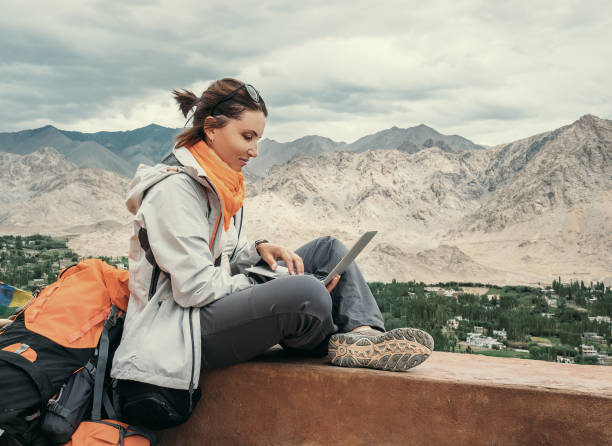

Just a few years ago, remote work felt like a temporary experiment. Fast forward to 2026, and it’s become a permanent part of how the world operates. What started as a necessity has evolved into a preferred lifestyle for millions.
I used to think productivity only happened in an office environment—structured schedules, face-to-face meetings, and that familiar buzz of activity. But after working remotely for an extended period, I realized something surprising: flexibility doesn’t reduce productivity—it can actually enhance it.
So, is the office era truly over? Not exactly. But it’s definitely being redefined.
Flexibility Is the New Normal
One of the biggest advantages of remote work is flexibility. Employees can structure their day around peak productivity hours rather than rigid 9-to-5 schedules.
In cities like Bengaluru, where traffic congestion can eat up hours daily, remote work has dramatically improved work-life balance. Fewer commutes mean more time for family, hobbies, and personal health.
Personally, eliminating commute time gave me back nearly two hours each day. That alone transformed how I approach work and rest.
Hybrid Work Models Are Dominating
Instead of fully remote or fully in-office setups, many companies now use hybrid models. Employees split time between home and office depending on tasks and collaboration needs.
Major companies in tech hubs like San Francisco have redesigned offices to focus more on collaboration spaces rather than individual desks. The office is becoming a meeting hub—not a mandatory daily destination.
This balanced approach offers the best of both worlds: flexibility and face-to-face interaction.
Productivity and Performance
Early critics argued that remote workers would slack off. In reality, many organizations report equal or higher productivity levels. Without constant interruptions and office distractions, deep work becomes easier.
I’ve personally found that focused tasks—writing, strategy planning, research—are often completed faster at home. However, discipline is key. Remote work requires structure and clear boundaries.
The Global Talent Advantage
Remote work has erased geographical barriers. Companies can now hire talent from anywhere in the world, and professionals can work for international firms without relocating.
Cities like London and Dubai are seeing more distributed teams collaborating across time zones. This global hiring model increases diversity, innovation, and competitiveness.
For workers, it opens doors that previously required expensive relocation or visa processes.
Cost Savings for Companies and Employees
Office spaces are expensive. Rent, utilities, maintenance, and equipment add up quickly. Many businesses in 2026 are downsizing physical offices or converting them into flexible coworking hubs.
Employees also save money—less commuting, fewer lunches out, reduced wardrobe costs. I’ve personally noticed how much smaller monthly expenses feel without daily travel and impulse spending near the office.
Challenges Still Exist
Remote work isn’t perfect. Isolation, blurred boundaries, and communication gaps can become real problems.
Without intentional effort, it’s easy to overwork. When your home becomes your office, disconnecting can feel difficult. I had to create a dedicated workspace and set strict work hours to avoid burnout.
There’s also the human factor—casual hallway conversations and spontaneous brainstorming sessions are harder to replicate virtually.
Technology Makes It Possible
The rise of cloud platforms, AI scheduling tools, and real-time collaboration software has made remote work seamless. Video conferencing, project management dashboards, and shared digital workspaces are now standard.
In 2026, technology isn’t just supporting remote work—it’s optimizing it. Meetings are recorded and summarized automatically, tasks are tracked transparently, and global collaboration feels smoother than ever.
The Future of Offices
Offices aren’t disappearing—they’re evolving. Instead of rigid cubicle layouts, companies are designing experience-driven spaces for teamwork, innovation, and culture-building.
In many cases, the office is becoming optional rather than mandatory. It’s a space for connection, not constant presence.
Final Thoughts
The office era isn’t over—but it’s transformed. Remote and hybrid models have reshaped how we define productivity, flexibility, and work-life balance.
From reduced commuting in cities like Bengaluru to global collaboration spanning London and Dubai, remote work is redefining professional life in 2026.
I’ve personally found that when managed properly, remote work offers freedom, efficiency, and better well-being. The key isn’t choosing between office or home—it’s designing a system that supports both productivity and human connection.
Work is no longer a place you go. It’s something you do—anywhere.